

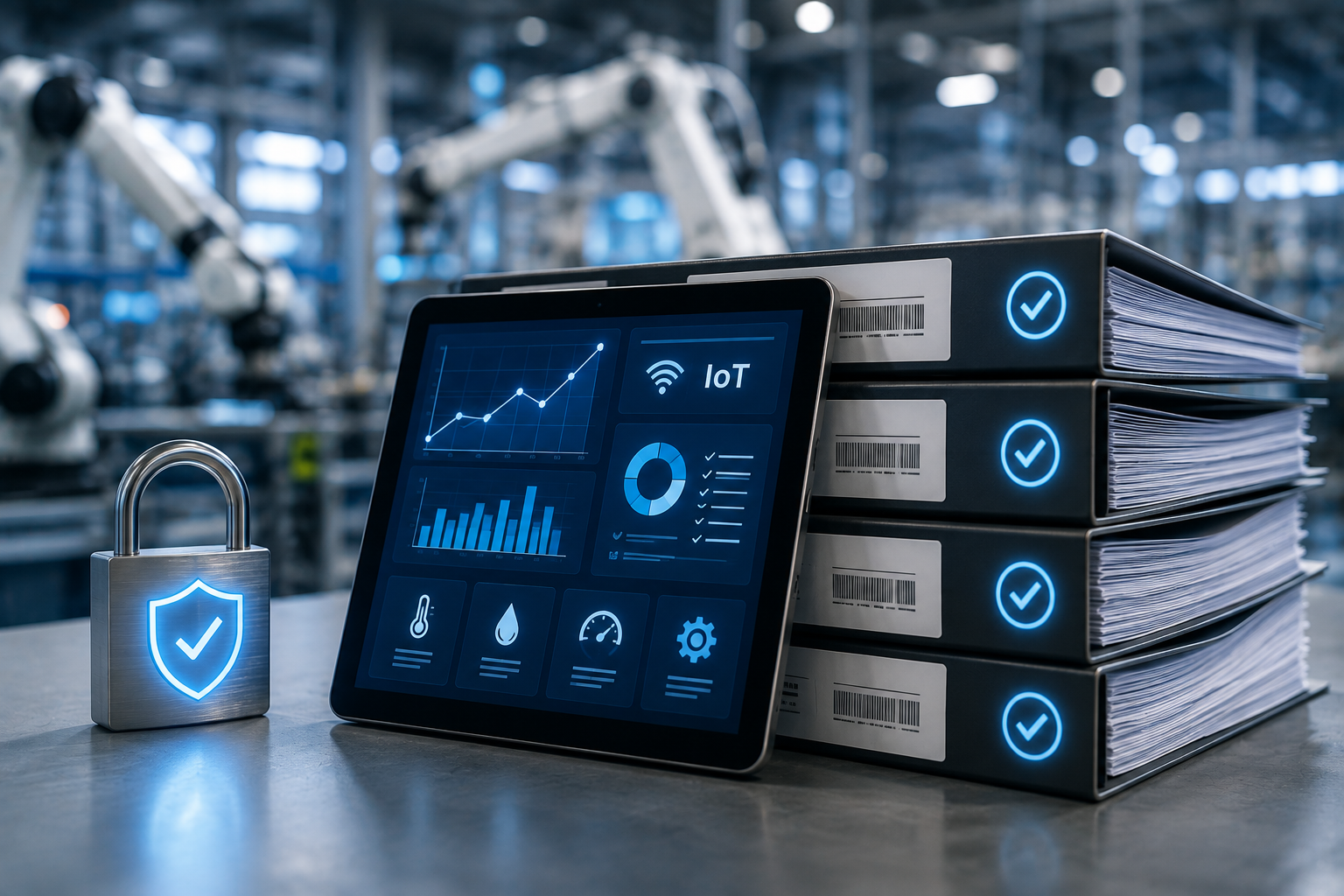
When an Audit Requires More Than the Latest Reading
A Quality Assurance team may know that a cold storage room is currently operating within its required temperature range. During an audit, however, the reviewer may need more context: What was the temperature last Tuesday at 2:00 PM? Were there any deviations during the month? When did they occur, and what operational records are available for review?
Questions like these make traceability an important part of compliance management.
For organizations operating in regulated environments, monitoring is most useful when operational data can be connected to timestamps, devices, locations, historical records, and relevant events. This creates a clearer trail that Compliance and Quality Assurance teams can review when preparing reports or supporting audit activities.
What Makes Operational Data Traceable?
Traceability depends on maintaining enough context to understand what happened, where it happened, and when it occurred.
Depending on the industry and applicable requirements, teams may need to maintain records such as:
- Environmental conditions such as temperature or humidity
- Equipment operating status
- Production or processing parameters
- Storage conditions
- Device and sensor identification
- Location information
- Timestamps for monitored events
- Alerts and recorded deviations
- Historical monitoring data
The exact information required will vary by industry, process, jurisdiction, and applicable regulatory framework. The goal is to establish records that are consistent with the organization's specific compliance obligations and internal quality procedures.
Compliance Teams Need a Clear History, Not Just Current Status
A real-time dashboard can show what is happening now. Compliance work often requires the ability to look backward as well.
For example, consider a pharmaceutical storage facility that monitors temperature-sensitive products. A Quality Assurance Manager reviewing storage conditions may need to identify when a temperature change occurred, how long the condition continued, which storage area was involved, and whether an alert was generated.
A useful monitoring record could therefore connect:
- Sensor ID to the device collecting the reading
- Location to the monitored room or storage area
- Timestamp to when the measurement was recorded
- Measured value to the environmental condition
- Alert status to predefined monitoring parameters
- Historical data to previous readings from the same location
Connecting these data points makes operational events easier to reconstruct and review.
What Should Businesses Review Before Automating Compliance Monitoring?
Before implementing connected monitoring, organizations should first define what their compliance process actually needs to document.
Compliance and Quality Assurance teams can review several practical questions:
- Which conditions or operational parameters must be monitored?
- How frequently should readings be captured?
- Which locations, equipment, or processes require monitoring?
- How long should historical records be retained?
- Who needs access to monitoring information?
- Which events should trigger notifications?
- What information needs to be available during an audit?
- How should deviations and follow-up activities be documented?
These requirements should be mapped to the regulations, standards, internal procedures, and quality controls that apply to the organization.
Build the Monitoring Process Around the Audit Trail
A structured monitoring process should make it possible to follow an operational event from the original measurement through its historical record.
A practical approach may include:
- Define the parameters and acceptable ranges required by the applicable process.
- Identify where monitoring devices should collect information.
- Establish consistent timestamps and device identification.
- Define alerts for conditions that require operational attention.
- Maintain historical records according to applicable retention requirements.
- Establish access controls for monitoring and reporting data.
- Review records periodically as part of quality and compliance procedures.
This creates a clearer foundation for audit preparation because relevant operational information is organized around the processes being monitored.
How IoT Monitoring and Reporting Systems Support Compliance Workflows
Once monitoring requirements are clearly defined, IoT Monitoring and Reporting Systems can help automate data collection across equipment, facilities, and operational environments.
Connected sensors can capture measurements at defined intervals and send the information to a centralized platform. Depending on the implementation and compliance requirements, the system can support:
- Automated sensor data collection
- Real-time operational monitoring
- Historical data records
- Device and location identification
- Configurable alerts and notifications
- Environmental condition monitoring
- Centralized reporting
- Operational dashboards
- Data export for further review
For Compliance Managers, this provides a more structured view of monitored activities. For Quality Assurance Teams, historical information can support routine reviews, investigations, quality documentation, and audit preparation.
Technology should still be configured around the organization's applicable regulatory and quality requirements. An IoT system supports the monitoring and reporting process; the organization remains responsible for determining which controls, records, validations, and procedures are required for its specific regulatory environment.
Turning Continuous Monitoring into Audit-Ready Visibility
Compliance becomes easier to manage when operational records remain connected to the events that created them. Clear timestamps, historical measurements, device identities, locations, and monitoring records give teams the context needed to review activities with greater confidence.
For regulated organizations, IoT Monitoring and Reporting Systems can provide a practical foundation for continuous monitoring and operational traceability. When implemented around clearly defined compliance requirements, connected monitoring helps Quality Assurance and Compliance teams maintain more organized records, prepare for audits, and keep important operational information accessible throughout the reporting lifecycle.