

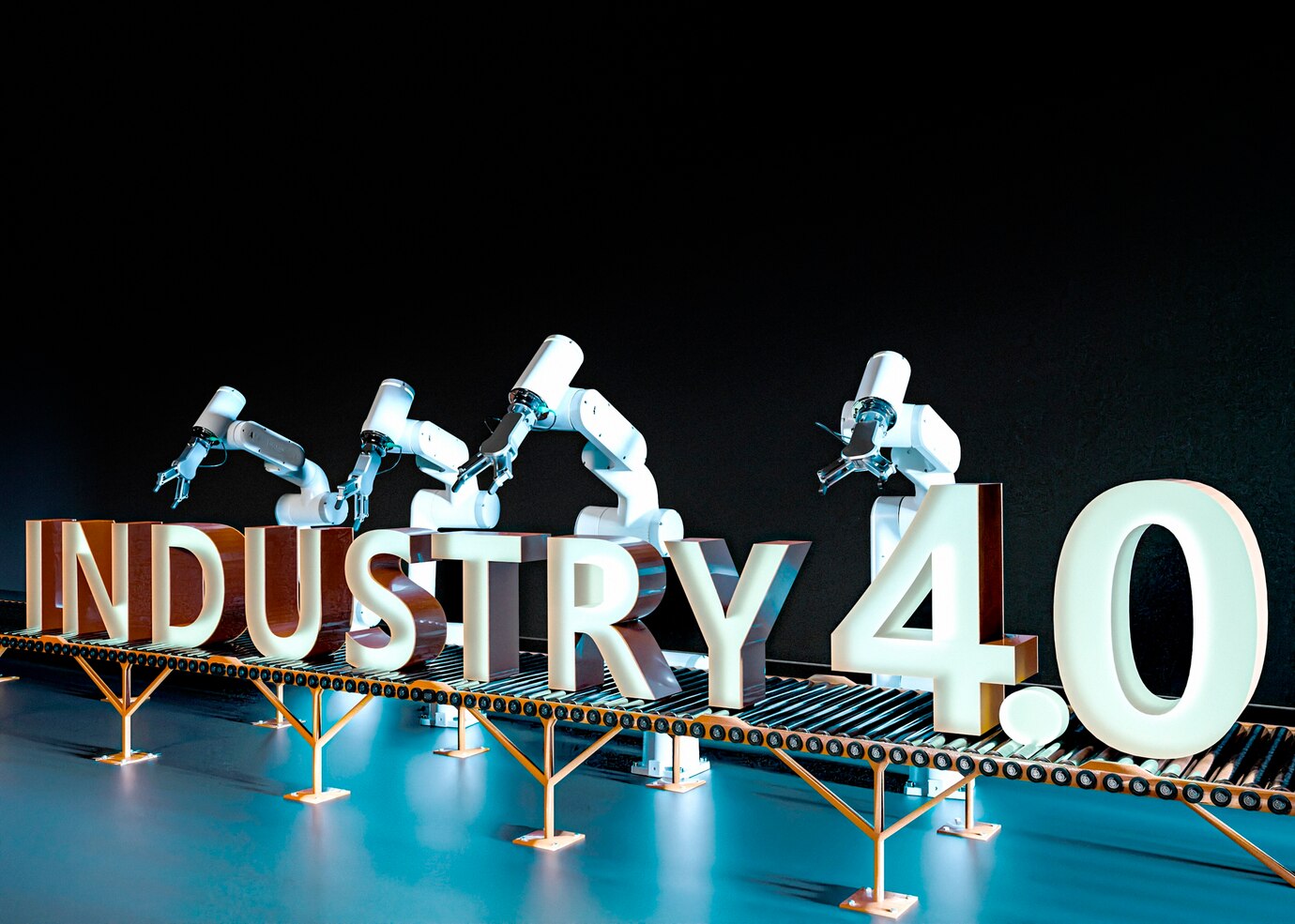
In the era of Industry 4.0, digitalization has become a key factor in enhancing efficiency and effectiveness across various business processes. Continuous Improvement and Lean Management have undergone significant transformations thanks to advancements in digital technology. This article explores how digitalization trends support the principles of Continuous Improvement and Lean Management, along with the benefits they bring to modern businesses.
Understanding Continuous Improvement and Lean Management
Continuous Improvement is a business philosophy that emphasizes ongoing enhancements in processes, products, and services to improve efficiency and quality. Methods such as Kaizen, PDCA (Plan-Do-Check-Act), and Six Sigma are commonly used to implement this concept. Lean Management, on the other hand, is an approach that focuses on eliminating waste in business processes to increase value for customers.
The Role of Digitalization in Continuous Improvement and Lean Management
Digitalization introduces various technologies that accelerate and enhance the implementation of Continuous Improvement and Lean Management. Some key digitalization trends that support these approaches include:
1. Big Data and Analytics
- Utilizing big data allows for in-depth analysis of business processes.
- Identifying patterns and trends helps improve decision-making accuracy.
- Machine learning and AI accelerate problem-solving and process optimization.
2. Internet of Things (IoT)
- IoT sensors enable real-time monitoring of production and operational processes.
- Collected data can be used for predictive maintenance, reducing downtime.
- IoT helps minimize waste by improving supply chain efficiency.
3. Automation and Robotics
- Robotic Process Automation (RPA) reduces repetitive manual work.
- Robotics in production lines enhance precision and operational efficiency.
- The use of cobots (collaborative robots) improves human-machine collaboration.
4. Cloud Computing and Digital Collaboration
- Cloud-based platforms provide flexible and secure access to data.
- Digital collaboration among teams in different locations becomes more effective.
- Cloud-based software such as ERP and CRM improves business process coordination.
5. Artificial Intelligence (AI) and Machine Learning
- AI helps identify improvement opportunities that were previously unnoticed.
- Chatbots and virtual assistants accelerate communication and decision-making.
- Machine learning algorithms predict potential issues and suggest solutions.
Benefits of Digitalization in Continuous Improvement and Lean Management
Implementing digital technology in Continuous Improvement and Lean Management brings several advantages to businesses, including:
- Increased Efficiency: Automation and data analytics enable faster and error-free processes.
- Cost Reduction: Waste elimination and resource optimization lower operational costs.
- Improved Quality: Real-time monitoring ensures better product and service quality.
- More Accurate Decision-Making: Real-time, accurate data helps management make fact-based decisions.
- Greater Flexibility: Cloud-based and IoT technologies allow businesses to be more responsive to market changes.
Digitalization has significantly transformed Continuous Improvement and Lean Management by enhancing efficiency, reducing waste, and providing data-driven insights. The adoption of digital technology is a strategic step that businesses cannot afford to overlook in optimizing operations.
By understanding and applying digitalization trends in Continuous Improvement and Lean Management, companies can create greater value for customers, enhance competitiveness, and achieve sustainable growth.