

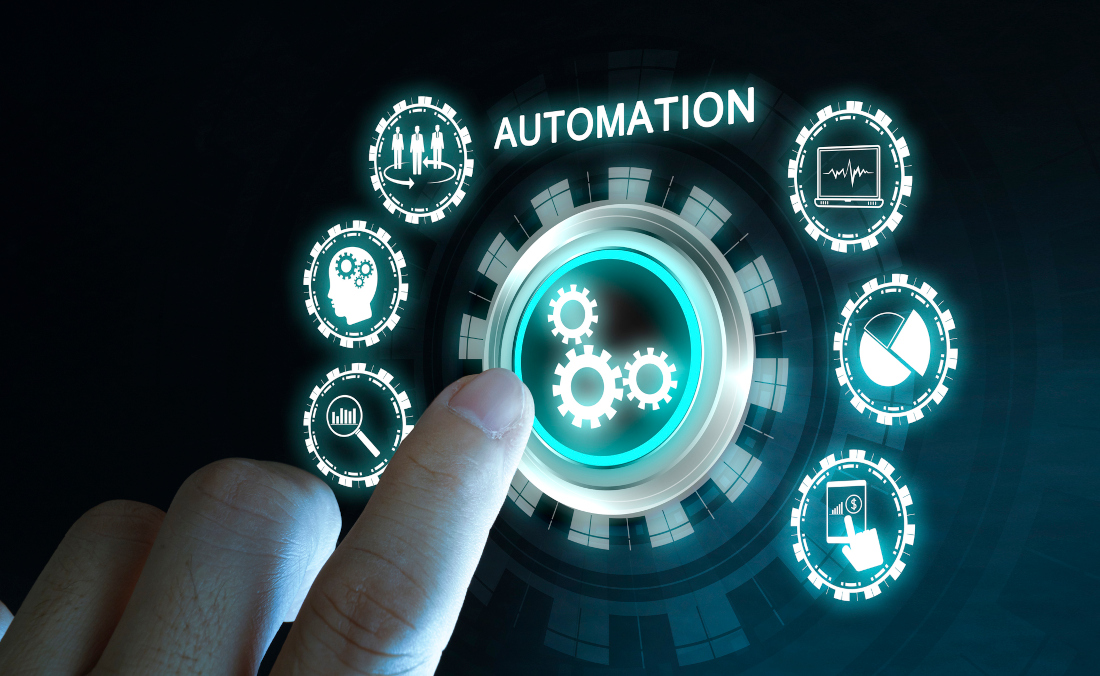
Digital transformation and automation have become top priorities for many organizations. Workflow builders—designed to streamline tasks, standardize processes, and reduce manual workloads—are often positioned as universal solutions. While automation brings clear benefits, not every process should be converted into an automated flow. Some workflows require human judgment, context-based decision-making, or personal interaction that automation cannot replicate effectively.
Understanding when not to automate is crucial. Instead of abandoning workflow builders altogether, businesses need to use them strategically—choosing the right balance between structure and human involvement.
Why Not All Business Processes Should Be Automated
Automation can make a process faster, cheaper, and more controlled. However, forcing automation into every activity often leads to inefficiency, customer frustration, or rigid execution. Businesses sometimes overlook the fact that automation works best for predictable tasks, not emotionally or strategically driven ones.
Many workflows fall into gray areas—semi-structured, variable, or highly contextual. Automating them prematurely can eliminate nuance and flexibility.
Types of Processes That Should Not Be Fully Automated
1. Processes Requiring Human Judgment or Assessment
Certain decisions rely on intuition, empathy, or situational context. Examples:
- Deciding whether a client case needs escalation
- Evaluating complaints involving emotional dissatisfaction
- Negotiating custom pricing or large contracts
A workflow can guide decision points, but human approval often ensures fairness and accuracy.
2. Sensitive Interactions That Affect Relationships
Automation has limitations when emotions are involved. Typical cases include:
- Employee termination procedures
- Customer complaints involving misconduct or safety
- Conflict resolution within internal teams
An automated reply like “Your report has been processed” may appear cold or dismissive. Humans handle such situations with empathy—something workflows cannot substitute.
3. Processes With Too Many Exceptions
If every case looks different, automation becomes counterproductive. Examples:
- Tailored service requests
- Custom project scopes
- Non-standard procurement
When exceptions outnumber standard cases, automation can slow down performance due to frequent overrides or manual corrections.
4. Experimental or Early-Stage Processes
New workflows evolve rapidly. Automating them too early creates rigidity. Examples:
- A new product onboarding sequence
- A pilot internal approval workflow
- A revised employee performance review process
Manual handling allows real-time adjustments before standardization.
5. High-Impact Customer Touchpoints
The more critical the interaction, the greater the need for human judgment. Examples:
- Delivering bad news about service termination
- Negotiating high-value deals
- Handling escalated dissatisfaction cases
Automation may still assist with reminders, documentation, and routing, but human interaction should remain central.
When Workflow Builders Still Add Value
Even when processes cannot be fully automated, workflow builders remain extremely useful. Rather than replacing humans, workflows can guide them.
Workflow builders can:
- Standardize documentation
- Track progress transparently
- Assign responsibilities clearly
- Automate notification steps
- Provide templates to reduce ambiguity
- Escalate automatically at specific timelines
A good workflow does not eliminate human involvement—it orchestrates it intelligently.
How to Determine Automation Eligibility
Organizations can evaluate the suitability of automation by mempertimbangkan beberapa pertanyaan utama berikut:
- If the process is repetitive and predictable → suitable for full automation
- If the process requires human judgment or discretion → keep human involvement
- If the process changes frequently → avoid full automation and evaluate periodically
- If the activity directly affects customer relationships → apply only partial automation
- If the process has legal or ethical implications → require human review before execution
Pendekatan ini memastikan bahwa automation menjadi pendukung kualitas layanan, bukan penyebab rigiditas, kesalahan, atau turunnya kepuasan pelanggan.
Balanced Execution Through Thoughtful Design
Workflow builders are most powerful when they enhance—not eliminate—human decision-making. Rather than making automation the goal, businesses should aim for clarity, consistency, accountability, and responsiveness.
Human-centered workflows ensure:
- Teams make better decisions
- Customers feel heard and valued
- Leaders gain visibility over operations
- Compliance is easier to maintain
In short, automation should serve people—not replace them. Organizations that apply automation selectively will ultimately achieve faster, customer-aligned, and higher-quality outcomes.
A Better Path Forward
Not automating everything does not mean avoiding workflows. Instead, businesses should embrace workflow builders as structural support—automating what should be automated, and enriching human-driven processes with guidance, visibility, and standardized steps. This approach protects customer experience while still improving efficiency, enabling businesses to scale intelligently without compromising quality.