

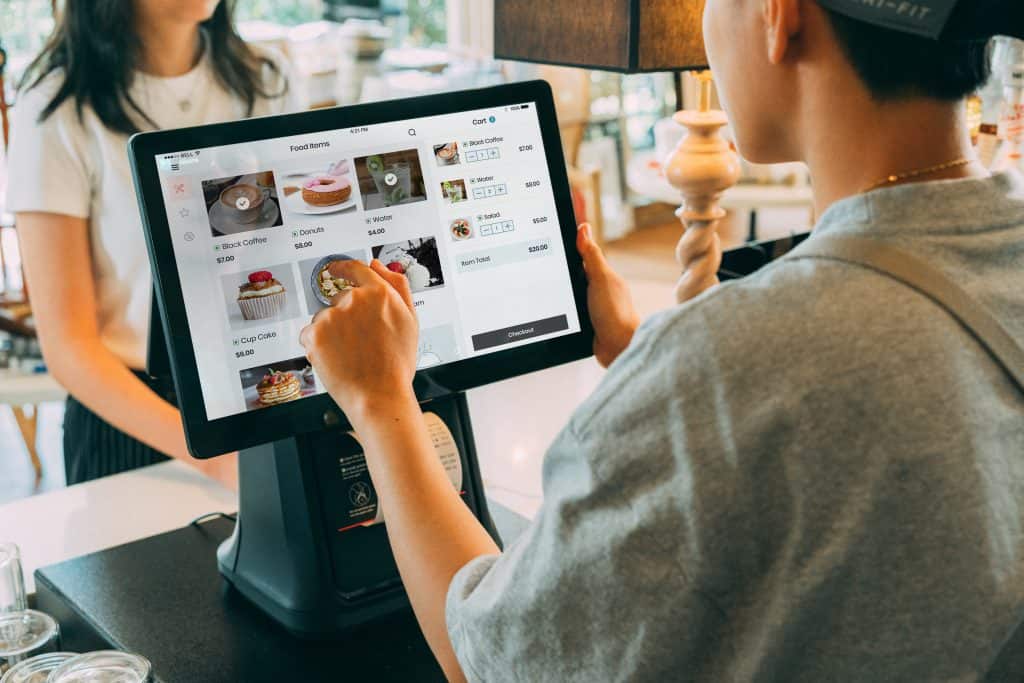
A modern Point of Sale (POS) system is no longer just about processing payments. It has evolved into a central hub that integrates sales, inventory, customer management, and business analytics into one powerful platform. For businesses in today’s fast-paced retail, F&B, and service industries, choosing the right POS system can significantly impact both daily operations and long-term growth.
Why the POS System Is a Strategic Investment
The POS system is often treated as a back-end necessity. In reality, it plays a front-line role in shaping customer experience, increasing efficiency, and enabling data-driven decisions.
1. Real-Time Transaction Management
Every sale is recorded instantly and accurately, ensuring better cash flow tracking and easier reconciliation at the end of each business day.
2. Inventory Control in Sync with Sales
Integrated POS systems track inventory in real time—automatically updating stock levels as sales occur. This minimizes human error and helps businesses avoid overstocking or running out of key products.
3. Customer Insights and Loyalty
Modern POS platforms store customer data, track purchase history, and support loyalty programs. Businesses can use these insights to tailor promotions and improve repeat engagement.
4. Multi-Channel Integration
With the rise of omnichannel retail, POS systems now connect with e-commerce platforms, online marketplaces, and delivery apps. This ensures inventory, pricing, and orders stay consistent across all customer touchpoints.
Essential Features in a Modern POS System
Choosing the right POS system depends on the business type, but several key features are universally valuable:
- Cloud-Based Access
Cloud POS systems offer remote access, automatic backups, and real-time syncing across multiple devices or outlets. - User-Friendly Interface
Employees should be able to learn and use the system with minimal training. A clear layout reduces human error and speeds up service. - Integrated Payments
From credit cards to QR codes and digital wallets, the POS system should accommodate multiple payment methods securely and quickly. - Scalability
As businesses grow, their POS systems should scale accordingly—supporting more locations, users, or integrations without disruptions. - Data Analytics Dashboard
Advanced POS platforms offer real-time reports on top-selling items, staff performance, busiest hours, and more—helping owners make informed operational decisions.
Industry-Specific Use Cases
Retail
In fashion or electronics stores, POS systems help manage variants like size and color, handle returns or exchanges smoothly, and even predict demand through sales trends.
Food and Beverage (F&B)
For restaurants and cafes, POS systems can connect with kitchen display screens, handle split bills, manage table orders, and synchronize with delivery partners.
Service Businesses
From salons to fitness studios, POS platforms manage bookings, send reminders, and track service packages or memberships.
Common Mistakes to Avoid When Choosing a POS System
1. Focusing Only on Cost
Cheaper options may lack crucial features or support. Consider the long-term value instead of upfront savings.
2. Overlooking Integration Capabilities
Your POS system should connect smoothly with accounting software, CRM tools, and third-party platforms.
3. Ignoring Customer Support
Technical issues will happen. A responsive support team can save you from costly downtime and frustrated customers.
The Future of POS: Smart, Integrated, and Predictive
As artificial intelligence and automation become more accessible, POS systems are starting to offer predictive analytics, personalized marketing tools, and fraud detection capabilities. Businesses that embrace these innovations will not only streamline operations but also gain a competitive edge in understanding and serving their customers.