

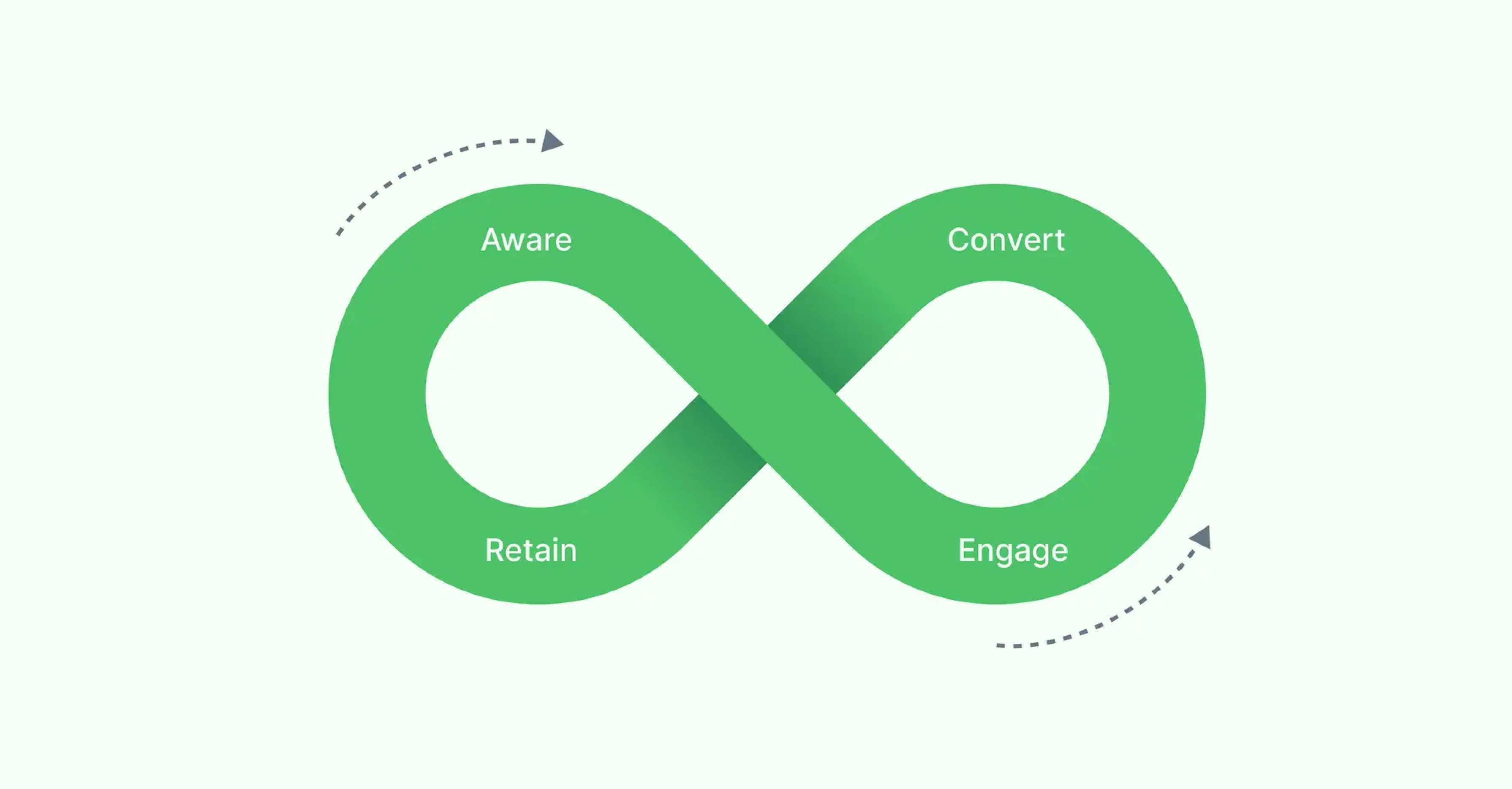
SMS marketing remains a highly effective communication channel, known for its near-instant readability and high engagement rates. However, to fully unlock its potential, marketers must connect SMS lifecycle tracking with customer journey optimization. This ensures each message is not just sent, but strategically contributes to guiding customers from awareness to purchase and retention.
In this article, we will explore how SMS lifecycle tracking (sent → delivered → opened → clicked) enhances each stage of the customer journey and actionable tips to implement it effectively.
What Is SMS Lifecycle Tracking?
SMS lifecycle tracking is the process of monitoring what happens to each SMS you send:
- Sent: Total messages attempted to be sent.
- Delivered: Messages successfully reaching customer devices.
- Opened: Whether recipients read the SMS (often inferred via clicks).
- Clicked: Recipients clicking links in the SMS, showing strong intent.
This data reveals the real performance of your SMS campaigns, allowing marketers to optimize communication strategies with precision.
Why Connect SMS Tracking with Customer Journey Optimization?
The customer journey is the path a person takes from first learning about your brand to becoming a loyal customer. Without aligning SMS tracking with this journey, SMS campaigns risk being irrelevant or poorly timed.
When integrated properly, SMS lifecycle data helps you:
- Identify which stage customers are in.
- Personalize messages based on behavior.
- Nurture leads with targeted, timely communication.
- Convert hesitant prospects into buyers with strategic follow-ups.
Using SMS Tracking at Each Customer Journey Stage
1. Awareness Stage
At this stage, customers first learn about your brand. SMS can be used to:
- Send welcome offers after newsletter sign-ups.
- Deliver event reminders for brand introduction webinars.
Tracking focus: Ensure high delivery rates by maintaining a clean database, so your brand introduction reaches as many new leads as possible.
2. Consideration Stage
Here, customers evaluate options. SMS can share:
- Limited-time discounts to encourage trial.
- Product benefits and customer testimonials.
Tracking focus: Monitor click-through rates to see which offers drive the most interest, and adjust future SMS content accordingly.
3. Purchase Stage
When customers are ready to buy, SMS can:
- Send cart abandonment reminders with incentives.
- Share secure payment links for faster checkout.
Tracking focus: Analyze clicked vs. completed purchases. High clicks with low purchases may indicate landing page or checkout issues needing improvement.
4. Retention Stage
Post-purchase, SMS helps retain customers by:
- Sending order updates and shipping confirmations.
- Sharing loyalty rewards or early access to sales.
Tracking focus: Monitor open and click rates to ensure customers remain engaged after buying, building long-term loyalty.
How to Optimize SMS Lifecycle Tracking for Customer Journey Success
1. Integrate SMS with CRM and Analytics Platforms
Combine SMS data with customer profiles to personalize future campaigns based on past behaviors.
2. Use Trackable URLs with UTM Parameters
Measure post-click actions like purchases, downloads, or bookings to see true campaign ROI.
3. Segment Recipients Based on Journey Stage
Avoid sending generic messages to everyone. Tailor SMS content to their current needs and readiness to convert.
4. Test and Iterate
A/B test SMS copy, timing, and CTAs to see what drives the highest clicks and conversions at each journey stage.
5. Automate Follow-Ups Based on Lifecycle Data
For example, if a customer clicks a product link but doesn’t purchase within 24 hours, trigger a follow-up SMS with an additional incentive.
Optimize Customers’ Journeys
SMS lifecycle tracking is more than just checking if a message was sent or delivered. When aligned with customer journey optimization, it becomes a powerful strategy to:
- Deliver relevant messages at the right time.
- Move customers seamlessly from awareness to purchase.
- Drive higher conversions and build long-term loyalty.
In today’s competitive digital landscape, the brands that understand their customers’ journeys – and optimize each touchpoint with data – are the ones that stay ahead.