

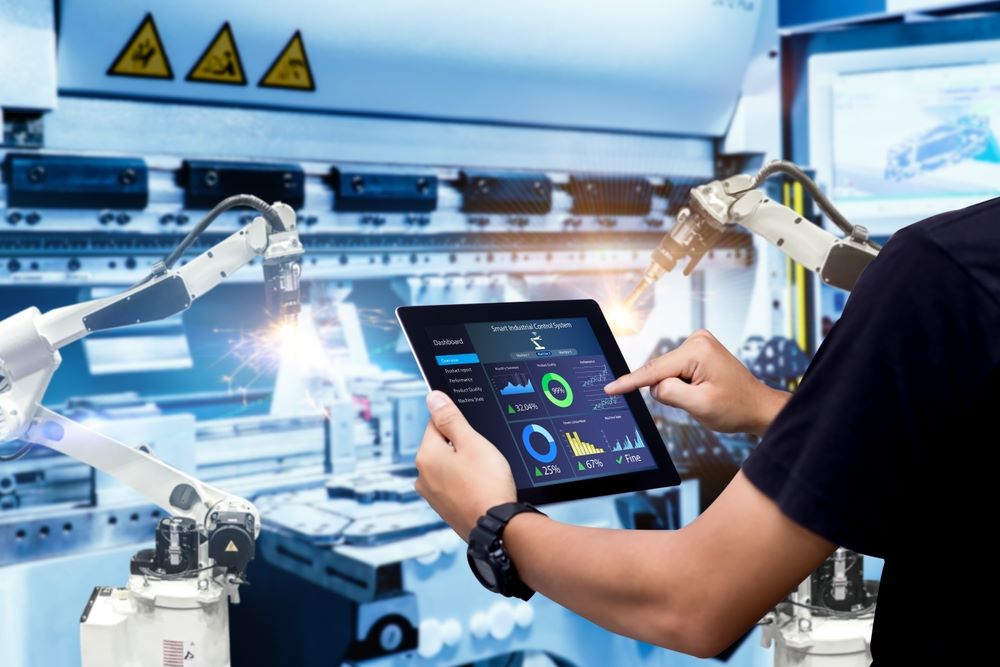
With the rise of IoT devices across industries, businesses are collecting enormous amounts of data—from sensor readings and machine performance metrics to customer activity and environmental conditions. While this data can drive insights and improve operations, managing it effectively is critical. Using a centralized system or dashboard to organize, monitor, and analyze IoT data ensures businesses can make the most of their connected devices.
This article outlines best practices for handling large volumes of IoT data, focusing on data organization, storage, real-time monitoring, cloud integration, and reporting.
Organize IoT Data for Clarity
Effective IoT management begins with structured data organization. Large volumes of device data can quickly become overwhelming without clear categorization. Use labels or groups to separate devices by type, location, or function. Keep real-time information distinct from historical data, allowing quick access to critical metrics while still preserving long-term trends. Prioritizing data ensures the dashboard remains clear, actionable, and easy to navigate.
Implement Scalable Storage Strategies
IoT devices generate continuous streams of data, and storage needs grow rapidly. To maintain performance and control costs, adopt scalable storage strategies:
- Keep frequently accessed data in high-speed storage for immediate insights.
- Store less urgent information in secondary storage for periodic analysis.
- Archive older data for long-term records and trend tracking.
Many platforms provide automated settings to move data between storage layers based on usage, keeping your system efficient without extra manual effort.
Monitor Data in Real Time
Real-time visibility is one of the key benefits of IoT. Dashboards allow teams to track live device performance, detect irregular patterns, and respond quickly to anomalies. Features such as live charts, alerts for unusual readings, and instant status updates enable proactive management. Immediate insights help prevent small issues from escalating, improving operational efficiency and reducing downtime.
Leverage Cloud Integration
Cloud-based IoT management makes data accessible from anywhere, enabling better collaboration across teams and locations. Centralized cloud storage ensures consistency, while automatic scaling accommodates growing volumes of device data. With cloud integration, businesses can rely on a secure, flexible platform that supports long-term growth and avoids local system limitations.
Turn Data into Actionable Insights
A strong IoT dashboard does more than display raw data—it translates it into meaningful insights. Reporting tools allow users to:
- Summarize device activity over time
- Track trends and performance patterns
- Compare results across locations or periods
- Identify potential issues before they become critical
By regularly reviewing these insights, businesses can make informed decisions, optimize operations, and improve overall efficiency.
Strengthening IoT Data Practices
Managing large volumes of IoT data requires consistent organization, scalable storage, real-time monitoring, cloud integration, and actionable reporting. By following these best practices, businesses can transform raw device information into valuable insights, improving operations, enhancing decision-making, and maximizing the benefits of connected devices. Proper IoT data management ensures devices don’t just collect information—they actively drive business growth.