

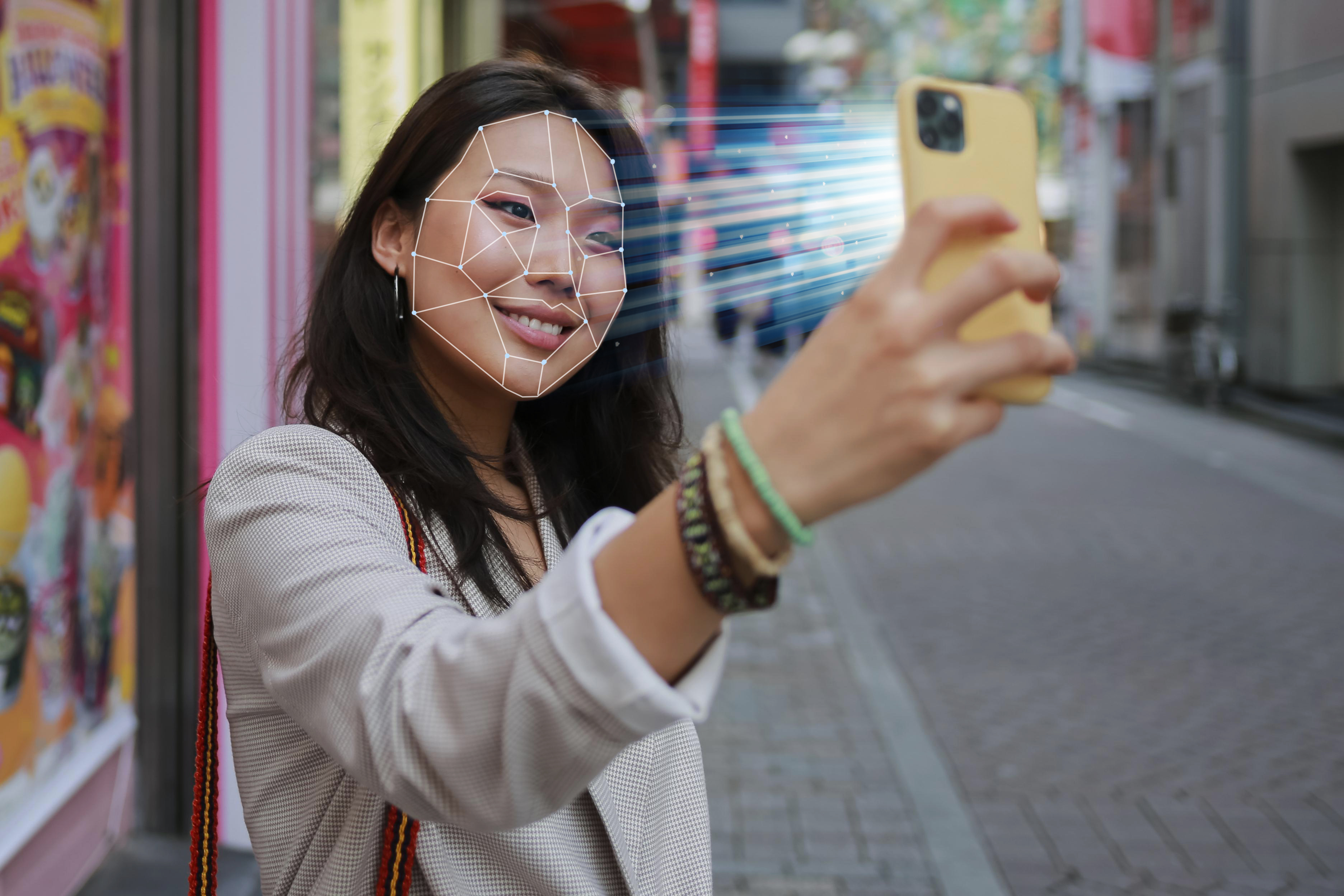
A risk analyst is reviewing a batch of new account registrations. The identity document looks valid, the face image appears clear, and the verification result seems successful. But one question remains: was the person actually present during verification?
For risk, security, and compliance teams, this question matters because face verification is not only about matching a face with an identity record. It is also about making sure the verification is performed by a real person at that moment.
When this control is weak, businesses may approve verification attempts that appear legitimate on the surface but are actually risky. This can affect customer onboarding, account access, loan applications, employee attendance, or any process that depends on remote identity checks.
The Problem: Face Verification Can Be Attempted Using Fake Visual Inputs
Face verification is often used in remote onboarding, account access, loan applications, employee attendance, and other identity-related processes. The process may look simple, but it can be manipulated if the system only checks whether a face is visible.
Common spoofing attempts may include:
- A printed photo held in front of the camera.
- A face photo displayed on another screen.
- A recorded video replayed during verification.
- A manipulated image or synthetic face visual.
- A mask or other presentation attack used to imitate the real person.
The risk is that a system may detect a face, but still fail to confirm whether the person is physically present and genuinely involved in the verification session.
Why This Problem Happens
This problem usually happens because basic face matching does not always evaluate the full verification context. A face can appear in an image or video frame, but that does not automatically prove that the person is live.
Several operational conditions can make this harder to manage:
- Remote verification removes direct physical supervision.
- Poor lighting or low camera quality can hide suspicious signs.
- Unstable internet connections can reduce image clarity.
- Manual reviewers may make inconsistent decisions.
- Fraudsters may test different spoofing methods until one works.
- Teams may only review the final image, not the full session behavior.
This is why businesses need more than a simple face comparison. They need a way to check whether the person is real, present, and connected to the identity being verified.
The Business Impact
When fake face verification attempts are not detected early, the impact can go beyond one suspicious registration or failed identity check.
For businesses, the risks may include:
- Fake accounts created using someone else’s identity.
- Fraudulent loan, credit, or insurance applications.
- Unauthorized access to customer accounts or internal systems.
- Higher investigation workload for risk and compliance teams.
- More manual reviews caused by unclear verification results.
- Audit issues when the company cannot prove how a verification decision was made.
- Lower trust in digital onboarding or remote access processes.
For regulated industries, this can also create compliance concerns. If the business cannot show that identity verification was performed properly, it may become harder to support internal audits, fraud investigations, or regulatory reviews.
What Businesses Need to Check or Manage
Businesses should check whether their verification process can identify not only the face, but also the risk behind the verification attempt.
Key things to manage include:
- Whether the process can detect photo, screen, or video replay attempts.
- Whether the user’s face is compared with a trusted reference, such as an ID photo or registered profile.
- Whether the system can check if the person is physically present during the session.
- Whether repeated failed attempts, poor image quality, or unusual device behavior are monitored.
- Whether suspicious attempts are automatically flagged for review.
- Whether reviewers have clear rules for approving, rejecting, or escalating verification cases.
- Whether the business keeps enough records to explain verification decisions during audits or investigations.
These checks help teams avoid relying only on visual judgment, which can be inconsistent and difficult to scale.
How to Handle It Professionally
A professional verification process should separate normal user friction from real fraud risk. Not every failed attempt is fraud, but suspicious patterns should not be ignored.
Businesses can strengthen the process by doing the following:
- Use face matching to compare the user’s face with the identity record.
- Use liveness detection to check whether the user is a real person during the session.
- Apply stricter verification rules for higher-risk journeys, such as account recovery, loan applications, or access to sensitive data.
- Define what should happen when verification fails because of poor image quality.
- Define what should happen when verification fails because of possible spoofing.
- Escalate suspicious cases to manual review only when needed.
- Review verification performance regularly, including failed attempts, false positives, manual review volume, and confirmed fraud cases.
This makes the process clearer for users, more consistent for reviewers, and more useful for risk and compliance teams.
How Face Recognition and Liveness Detection Help
Face recognition and liveness detection help businesses verify both identity and physical presence. Face recognition checks whether the person matches the reference identity, while liveness detection helps check whether the person is real during the session.
In practical operations, this can help businesses:
- Reduce the risk of photo-based spoofing.
- Detect possible video replay attempts.
- Reduce dependency on manual checking.
- Standardize how verification decisions are made.
- Flag suspicious attempts faster.
- Track verification success and failure rates.
- Keep clearer records for review and audit purposes.
This does not mean every verification process needs to become complicated. The goal is to apply the right level of security based on the risk of the activity.
For example:
- A basic profile update may only need a lighter verification process.
- A loan application may need stronger identity and liveness checks.
- Account recovery may need additional fraud controls.
- Access to sensitive internal systems may require stricter verification rules.
For businesses comparing different verification methods, Dartmedia’s article on Active vs. Passive Face Recognition can help explain how different approaches affect user experience and security.
Making Customer Verification More Secure and Reliable
Fake verification attempts are difficult to manage when businesses only rely on basic image checks or manual review. A person may appear on camera, but the more important question is whether the person is genuinely present and authorized to complete the process.
A stronger verification process helps businesses:
- Make identity checks more consistent.
- Reduce spoofing exposure.
- Support fraud prevention earlier in the user journey.
- Improve audit readiness.
- Give risk and compliance teams clearer evidence.
- Maintain a smoother experience for legitimate users.
Stronger face verification can also support a broader fraud prevention and compliance approach. By checking identity risk earlier in the process, businesses can reduce the chance of suspicious users entering the system before transactions, applications, or account activity take place.
This connects closely with early fraud detection in e-KYC and regulatory compliance in fraud detection, especially for businesses that manage digital onboarding, financial services, or high-risk customer journeys. To explore this further, you can read Dartmedia’s article on Why Early Fraud Detection in e-KYC Matters More Than Transactions, as well as its discussion on Regulatory Compliance in Fraud Detection: Meeting Global Standards.
For businesses that need real-time face matching and liveness checks, learn more about Dartmedia’s Face Recognition solution.