

When Equipment Performance Changes Between Maintenance Inspections
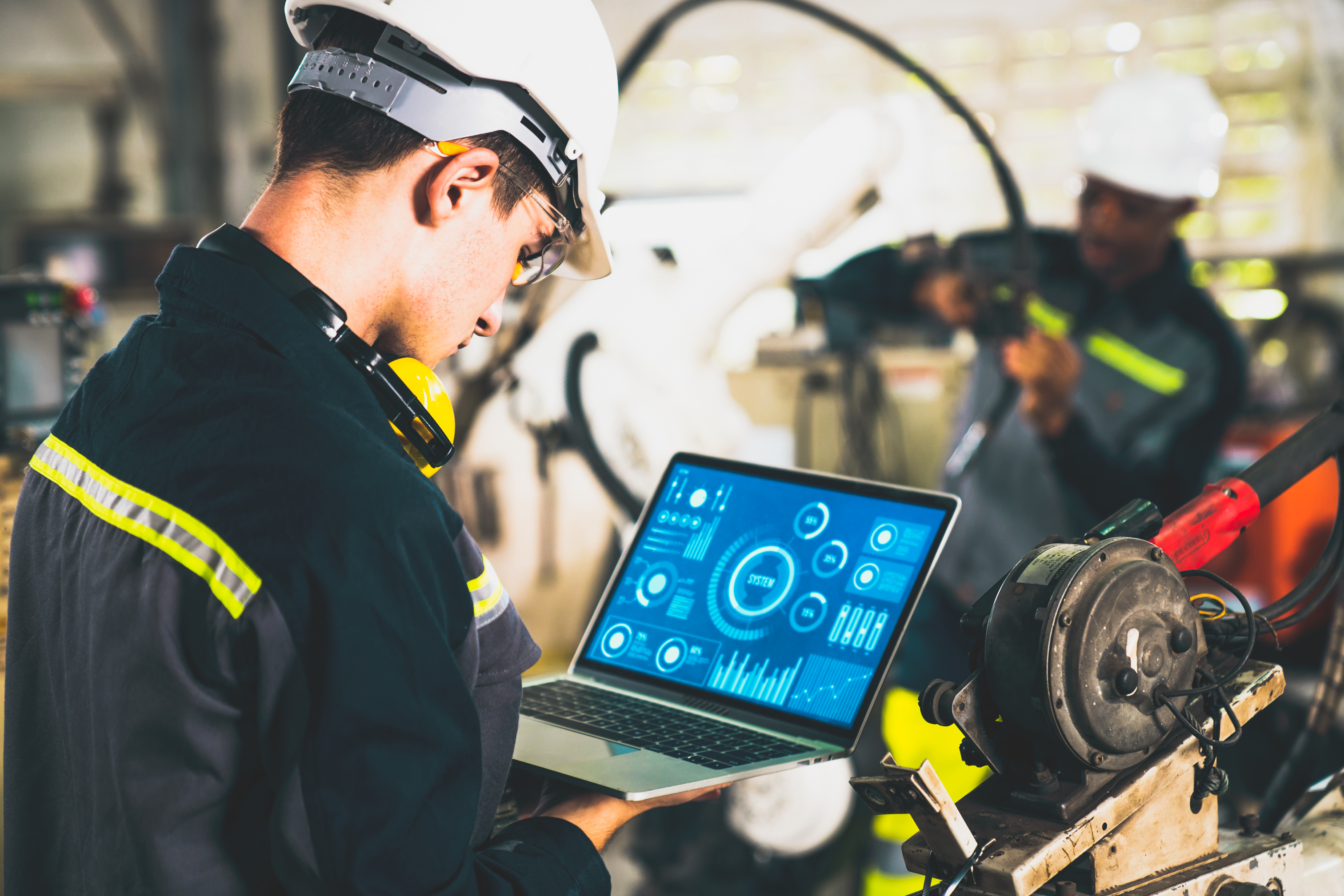
A maintenance manager receives a notification that a critical production motor is showing an unusual vibration pattern. The equipment is still operating normally, but the maintenance team now has valuable information that can help them schedule an inspection before the next production cycle.
Situations like this highlight the growing importance of equipment visibility in modern industrial operations. As production environments become more connected and data-driven, many organizations are looking for ways to understand equipment conditions continuously. This is where predictive maintenance supported by IoT monitoring systems can add significant value.
Why Equipment Monitoring Becomes More Important as Operations Grow
Most facilities operate a wide range of equipment, including motors, pumps, compressors, conveyors, generators, and production machinery.
As the number of assets increases, maintenance teams often manage:
- Multiple equipment categories
- Different maintenance schedules
- Various operating environments
- Large volumes of performance data
- Production requirements that depend on equipment availability
While routine inspections remain important, equipment conditions can evolve between scheduled maintenance activities. Having additional visibility into asset performance helps maintenance teams make more informed decisions throughout the equipment lifecycle.
The Business Value of Earlier Equipment Insights
Reliable equipment performance supports many aspects of daily operations.
When maintenance teams gain earlier visibility into asset conditions, they can:
- Schedule maintenance activities more efficiently
- Improve maintenance resource planning
- Support stable production schedules
- Enhance equipment utilization
- Extend asset service life
- Improve maintenance documentation and reporting
What Maintenance Teams Should Monitor
Not all equipment requires the same monitoring approach.
The most effective predictive maintenance programs focus on indicators that provide meaningful information about equipment performance.
Common Monitoring Parameters
|
Equipment Type |
Typical Monitoring Indicators |
|
Motors |
Vibration, temperature, current |
|
Pumps |
Vibration, pressure, flow rate |
|
Compressors |
Temperature, pressure, operating cycles |
|
Bearings |
Vibration, temperature |
|
Production Machinery |
Runtime, operating load, energy consumption |
The goal is not simply to collect data but to identify trends that help maintenance teams understand equipment behavior over time.
Questions Managers Should Ask
Before expanding monitoring capabilities, consider:
- Which assets are most important to production operations?
- Which equipment generates the highest maintenance workload?
- What performance indicators are already being collected?
- How quickly can maintenance teams access equipment information?
- Which maintenance decisions would benefit from real-time visibility?
These questions help establish priorities for a more structured maintenance strategy.
Building a More Proactive Maintenance Process
Successful maintenance programs combine equipment expertise with consistent monitoring and analysis.
A strong maintenance process typically includes:
- Defining critical assets and performance indicators.
- Establishing equipment condition baselines.
- Monitoring changes over time.
- Creating maintenance workflows for equipment alerts.
- Reviewing asset performance trends regularly.
- Using operational data to support maintenance planning.
This approach allows maintenance teams to focus attention where it creates the greatest operational value.
How Predictive Maintenance IoT Systems Support Better Decision-Making
Predictive maintenance IoT systems bring together connected sensors, real-time data collection, and monitoring platforms to provide a more complete view of equipment performance.
Sensors continuously capture operational information such as vibration, temperature, pressure, runtime, and energy consumption. This data is then analyzed through an IoT monitoring platform, giving maintenance teams access to equipment insights from a centralized dashboard.
Key Benefits of Predictive Maintenance IoT Solutions
- Continuous equipment visibility
- Faster identification of performance changes
- Better maintenance planning and scheduling
- Improved asset performance tracking
- Centralized maintenance reporting
- More data-driven maintenance decisions
- Enhanced operational visibility across facilities
By turning equipment data into actionable insights, maintenance teams can prioritize resources more effectively and maintain a clearer picture of asset health throughout the organization.
From Equipment Data to Smarter Maintenance Planning
The value of predictive maintenance is not simply in collecting more data. Its real advantage comes from helping maintenance teams understand equipment conditions in a way that supports better planning and more informed decision-making.
As industrial operations continue to increase in complexity, access to real-time equipment information becomes an important tool for maintaining reliability, improving maintenance efficiency, and supporting long-term asset performance.
Predictive Maintenance and IoT Monitoring Platforms help transform equipment monitoring from a periodic activity into a continuous source of operational insight, enabling maintenance and plant managers to build a more measurable and reliable maintenance strategy for the future.